June 18, 2026
Electrical work carries severe risks that go far beyond aesthetic mistakes or minor inconveniences. A small wiring error can lead to catastrophic consequences, like house fires or lethal shocks. While you might feel confident watching a video tutorial online, these guides can't adequately prepare you for the unpredictable nature of residential wiring. Hidden variables exist behind your walls. You must know your limits as a property owner and recognize when DIY is dangerous. Certain jobs require professional training, specific permits, and protective gear. Below are four specific situations where you should absolutely put down your tools and hire licensed electricians.
1. Upgrading Electrical Panels
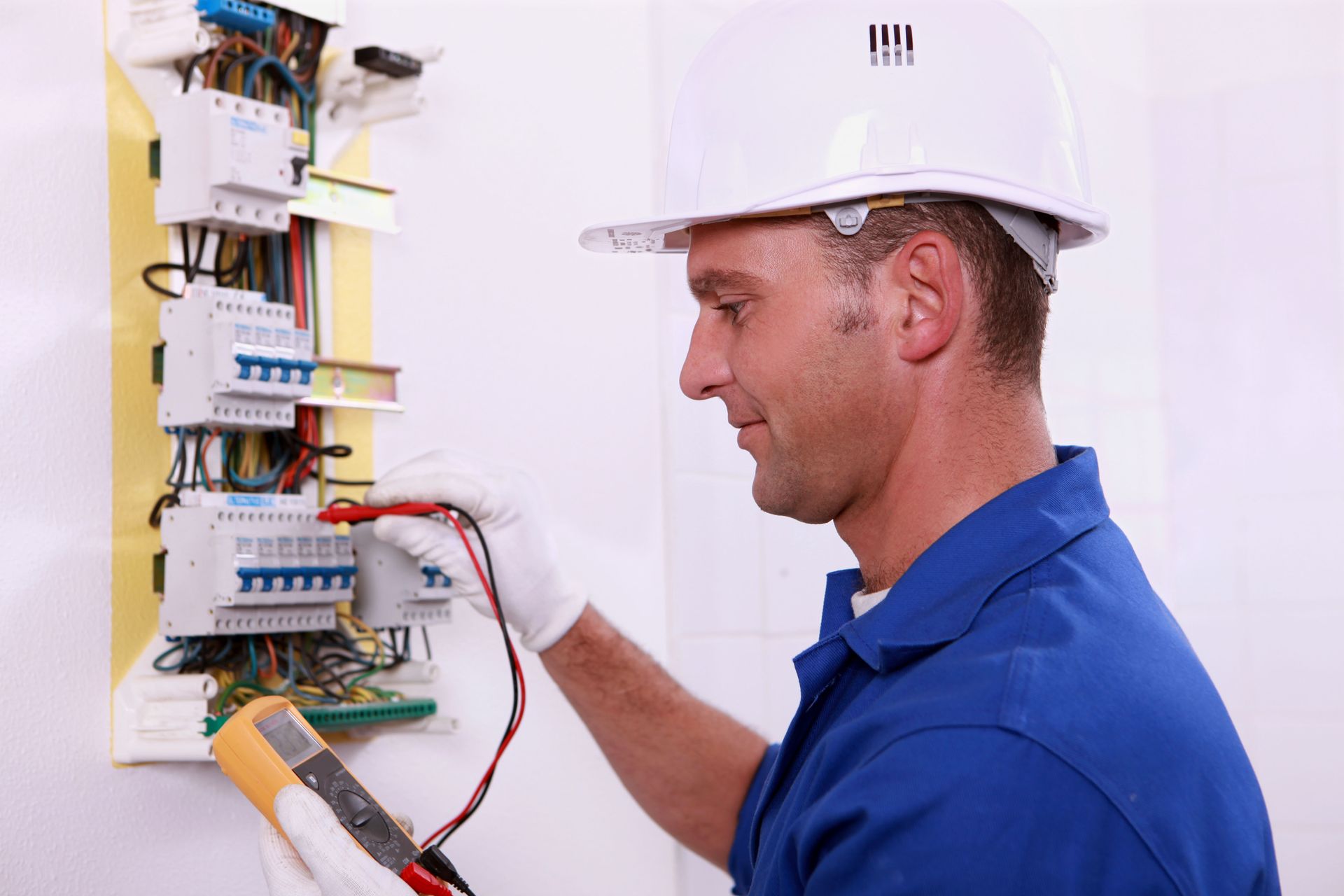
Your breaker box serves as the heart of your home's power. It receives electricity directly from the utility company and distributes it safely throughout the various rooms in your house. Older homes often have outdated boxes designed for an era before smart appliances and multiple home computers became standard. These older units simply lack the capacity to handle modern daily power demands. Homeowners usually notice a capacity problem when breakers begin tripping frequently during normal routines.
Replacing this critical component involves significant danger. You're dealing directly with the main power lines entering your property. According to Certrec, total electricity consumption in the U.S. is expected to surpass 4,200 billion kWh this year. This immense load puts incredible strain on aging household infrastructure. Upgrading the main panel ensures your system can manage this heavy electrical flow safely and efficiently for decades to come.
Attempting this job yourself exposes you to raw, unfiltered electricity. Even if you shut off the main breaker, the thick wires coming from the utility meter remain live at all times. One wrong move or accidental touch with a tool can result in severe injury or death. The installation process also requires pulling specific local permits and passing strict municipal inspections to ensure the work meets building codes.
Professionals possess the exact knowledge to calculate your total load requirements and select the appropriate replacement equipment. They know how to handle the heavy-gauge utility wires safely. This job requires specific tools and knowledge of local codes that average homeowners don't possess. Always call experienced licensed electricians to handle any panel replacements or significant upgrades to ensure your home remains safe.
2. Rewiring a House or Room
Older homes often contain outdated wiring systems like knob-and-tube or aluminum wiring. These older materials pose well-documented fire risks and often fail to meet modern safety standards required by lenders. Licensed electricians frequently replace these hazardous systems to bring homes up to code. Even newer homes might require extensive rewiring if rodents chew through cables in the attic or if previous owners performed unpermitted alterations. Rewiring involves snaking new copper cables through existing walls, floors, and ceilings without causing structural damage.
This task goes far beyond simple physical labor or drilling holes. You must understand how to balance loads across different circuits and properly ground every single connection point. Mistakes in routing or connecting cables can create invisible hazards that might be dormant for years. A loose connection behind the drywall might function perfectly for months before finally sparking and igniting the wooden framing studs inside your walls.
The sheer scale of a whole-room or whole-house rewiring project often overwhelms ambitious homeowners. You'll inevitably encounter unexpected obstacles like structural fire blocks, plumbing pipes, or HVAC ducts. Navigating around these structures without compromising the electrical wire requires hands-on field experience. It's a slow, methodical process that demands absolute precision at every single junction box, switch, and receptacle.
Relying on seasoned professionals is the only logical choice for large wiring overhauls. Licensed electricians understand how to fish wires through finished walls with minimal drywall damage. Insurance companies often require official proof of professional installation for major wiring changes. If a fire occurs due to unpermitted wiring, your insurance provider can legally deny your claim and leave you entirely responsible for the financial loss.
3. Fixing Flickering Lights and Unknown Shorts
A flickering light fixture often signals a deeper issue than a dying bulb. While changing a lightbulb is a standard household chore, diagnosing persistent power fluctuations requires technical expertise. These symptoms often point to loose wire connections, overloaded branch circuits, or failing mechanical components hidden deep within your walls. Ignoring these early warning signs can lead to melting wire insulation and potential electrical fires over time.
Finding the source of a short circuit is essentially hunting for a needle in a haystack. The problem could originate at the light fixture, the wall switch, the breaker panel, or anywhere along the wire path. DIYers often replace switches and receptacles blindly, hoping to fix the problem through random trial and error. Licensed electricians know this approach wastes money on unnecessary parts and rarely resolves the underlying safety hazard.
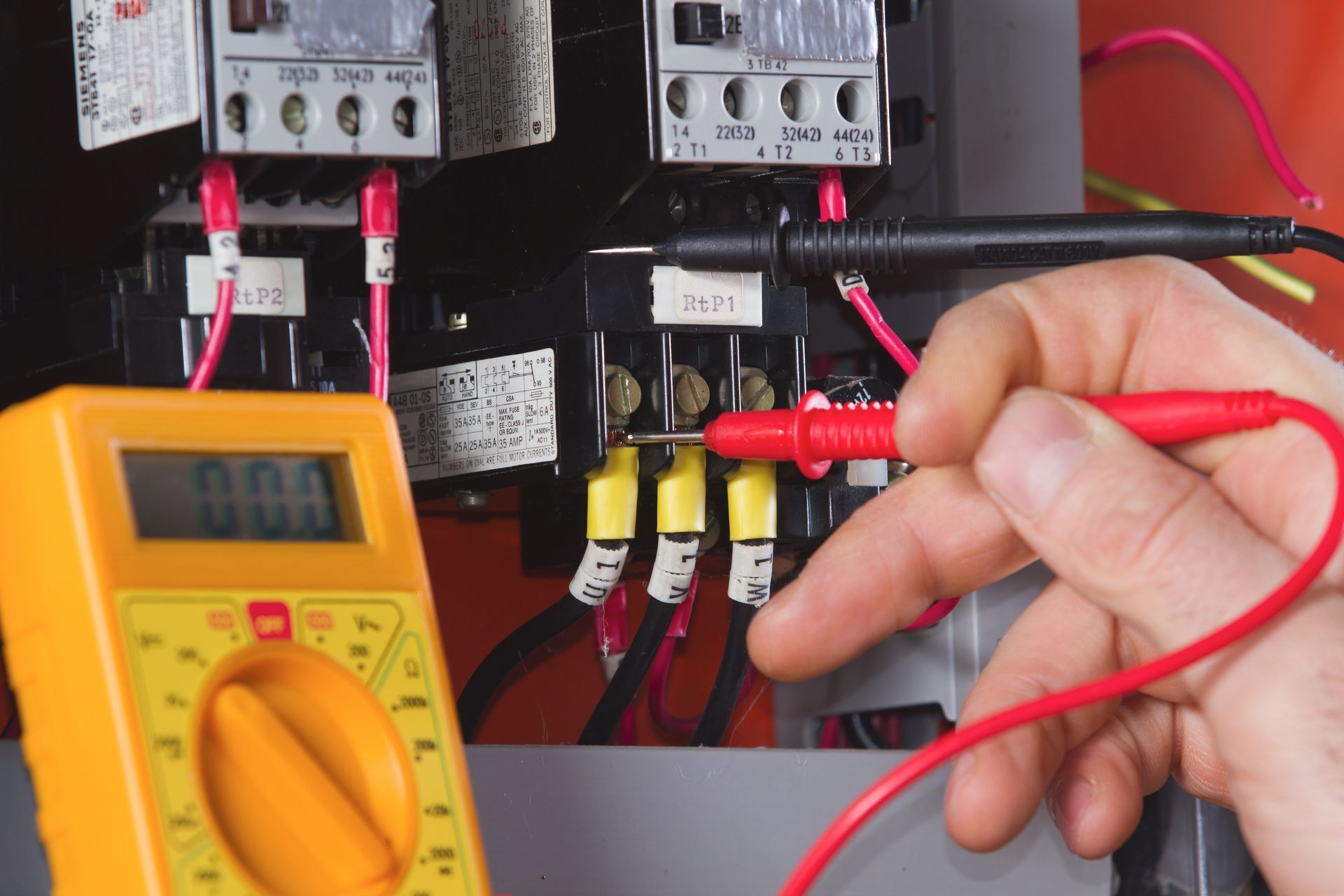
Professionals use sophisticated digital diagnostic tools to trace faults and measure voltage drops accurately. They can pinpoint the exact location of a short without tearing down entire sections of drywall. When it comes to troubleshooting mysterious electrical behavior, it's always better to rely on experienced professionals who can accurately interpret the diagnostic readings and resolve the issue quickly and safely.
Resolving these hidden issues promptly prevents catastrophic damage to your home appliances. Power surges resulting from unresolved shorts can instantly destroy expensive televisions, computers, and refrigerators. Spending money on professional diagnostic work is a small price to pay to protect your household electronics and ensure your family sleeps safely at night without the threat of hidden electrical fires.
4. Installing New Dedicated Circuits
Modern kitchens, laundry rooms, and garage workshops require massive amounts of energy. Appliances like microwaves, electric ranges, space heaters, and heavy power tools draw significant electrical current. Plugging too many heavy-duty appliances into a standard shared circuit leads to constant breaker trips and overheated wires. To solve this bottleneck, homes require dedicated circuits that serve only one specific heavy-drawing appliance.
Adding a new circuit isn't as simple as running a wire from the panel to a new outlet. You must calculate the total amperage the new appliance will draw and ensure the main panel has enough remaining capacity to support it safely. Installing the wrong size breaker or using an inappropriate wire gauge creates an immediate fire hazard. The wire itself can overheat and melt before the breaker ever has a chance to trip.
Many people underestimate the difficulty of properly routing new lines through an existing home. A loose wire inside the metal panel creates electrical arcing, which generates intense heat and ruins the equipment. Certified professionals ensure the new line is properly sized, safely routed, and grounded. They take the dangerous guesswork out of the equation. By calling local licensed electricians, you guarantee your new high-powered appliances operate safely without compromising the rest of your home's power system or creating hidden fire hazards.
Homeownership requires constant maintenance, budgeting, and occasional upgrades. While painting, landscaping, and basic carpentry are great ways to build sweat equity, electrical work demands strict boundaries. The potential savings from a DIY electrical project are never worth the risk of physical injury, house fires, or denied insurance claims.
Always prioritize safety over saving a few dollars on weekend projects. Protect your property value and your physical well-being by acknowledging when a job requires professional intervention. Upgrading panels, rewiring rooms, diagnosing shorts, and adding new circuits are complex jobs that require rigorous technical training. Leave these hazardous tasks to the experts and enjoy the peace of mind that comes with a properly functioning, thoroughly inspected power system. Your home is your biggest investment, so treat its power grid with the respect it deserves.
If you're facing any of these electrical issues, reach out to our licensed electricians at A Plus Services today to schedule a repair.