August 7, 2026
In today's interconnected world, electricity is a fundamental component of daily life. However, improper handling and lack of expertise can lead to severe electrical hazards. Licensed electricians play a pivotal role in mitigating these risks, ensuring the safety and efficiency of electrical systems in residential, commercial, and industrial settings. Their role is increasingly significant as the complexity of modern electrical systems grows, necessitating a high level of specialized knowledge. By understanding the role that electricians play, we gain insight into the preventive measures that safeguard our lives and properties.
1. Understanding the Importance of Electrical Safety
Electrical safety cannot be overstated, as the consequences of electrical hazards can be severe. Faulty electrical systems pose risks such as fire hazards, electrocution, and damage to property and equipment. These hazards can disrupt lives and result in significant financial losses, and in worse cases, loss of life. Safety standards established by regulatory bodies aim to minimize these risks, although adherence is only as effective as the expertise of those implementing these standards. Licensed electricians are pivotal in translating these standards into practical safety protocols on the ground.
Regulatory standards and compliance form the backbone of electrical safety practices. Adherence to regulations not only ensures the safety of installations but also guards against potential legal and financial repercussions. Electricians are key players in maintaining compliance, ensuring that all electrical systems meet the appropriate safety thresholds. Through their expertise, electricians help to implement safety regulations meticulously, making sure that properties and lives are protected. This enforcement of standards helps reduce accidents and instills confidence in the safety of electrical installations.
Education is an essential aspect of promoting electrical safety and is a role that licensed electricians play extensively. By educating clients about maintaining a safe electrical environment, electricians demystify the workings of electrical systems, making safety practices more accessible to the untrained public. This knowledge sharing is crucial in developing a community that is conscious of electrical hazards and knows how to act to prevent them. Additionally, electricians themselves require continuous education to stay abreast of evolving standards and technological advancements. Through a combination of formal training and field experience, electricians bridge the gap between complex electrical standards and practical safety implementation.
2. Training and Qualifications of Licensed Electricians
The journey to becoming a licensed electrician involves extensive training and rigorous qualification standards. Electricians typically undergo comprehensive training programs that cover a diverse range of electrical topics. These programs, which often include apprenticeships and on-the-job training, are designed to equip electricians with the skills required to address the myriad of challenges associated with electrical installations and maintenance. The depth of training ensures that electricians are well-versed in both theoretical knowledge and practical applications. Moreover, specialized training allows electricians to handle complex situations with confidence and precision.
Certification and licensing are critical components of professional practice in the electrical field. The process ensures that only individuals who meet the robust industry standards can work as electricians. This not only protects the integrity of the profession but also assures clients that they are hiring qualified personnel equipped to manage electrical safety effectively. According to the U.S. Bureau of Labor Statistics, roughly 44,000 job vacancies are anticipated to open up each year for these tradespeople, primarily to replace workers who retire or shift to new career paths. Such demand underscores the importance of maintaining high standards in training and certification.
Continuous professional development is a hallmark of the electrical profession, exemplifying an electrician’s commitment to maintaining high safety standards. The electrical industry is constantly evolving, with new technologies and methods frequently emerging. Licensed electricians must undergo regular professional development to stay updated with these advancements, ensuring that their skills remain relevant and effective. By engaging in ongoing education, electricians can provide innovative solutions, enhance safety procedures, and implement modern technologies to improve safety standards. This commitment to lifelong learning empowers electricians to anticipate and respond effectively to evolving challenges in electrical safety.
3. Identifying and Mitigating Electrical Risks
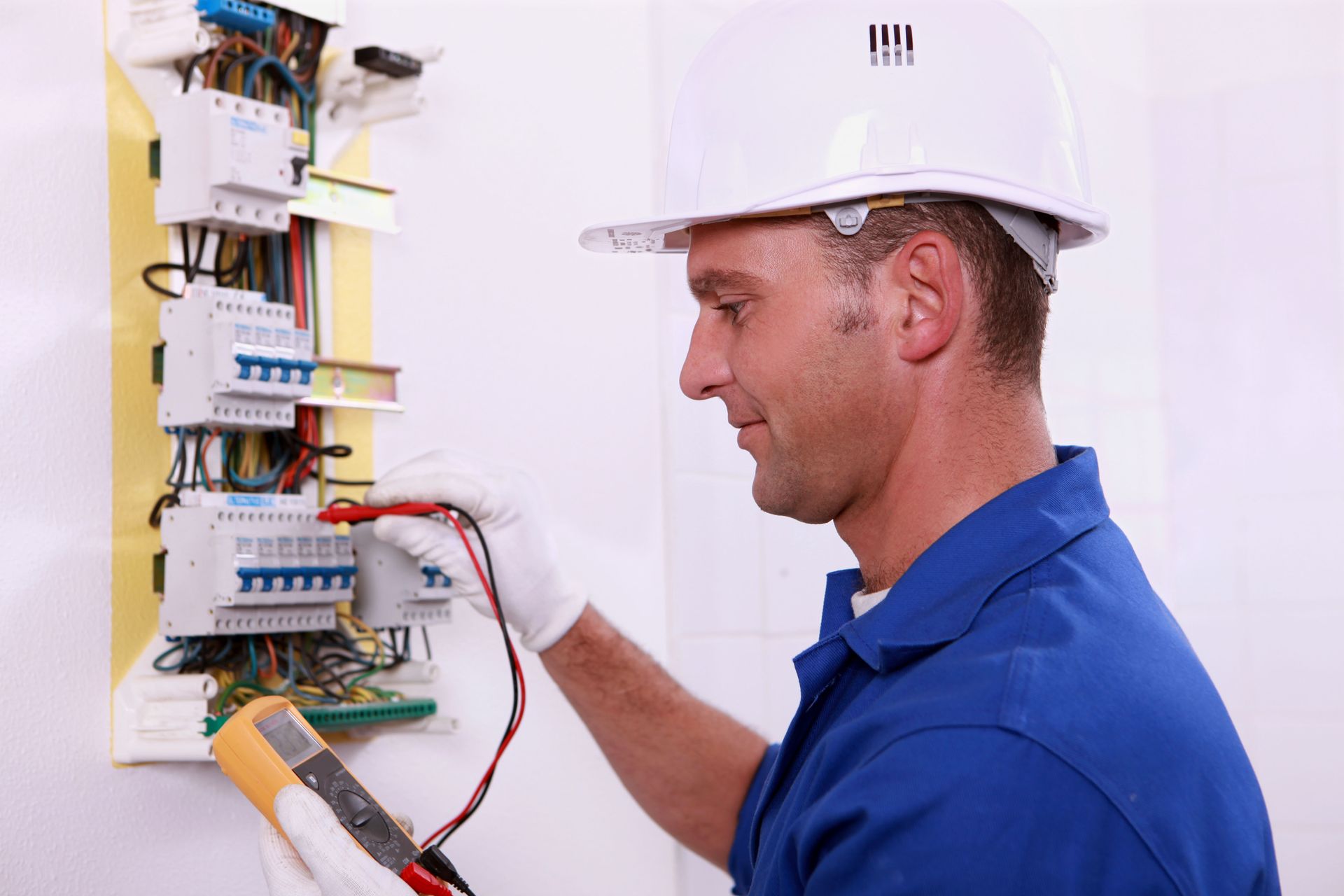
Conducting thorough electrical inspections is a critical step in mitigating electrical risks. Licensed electricians are trained to perform comprehensive assessments of electrical installations to identify potential safety hazards. These detailed inspections encompass checking wiring, ensuring circuit loads are correctly balanced, and verifying compliance with safety codes. By systematically inspecting every aspect of an electrical system, electricians can pinpoint areas of concern that require attention and address these issues proactively. Regular inspections not only maintain system efficiency but also play a significant role in preempting potential hazards before they escalate into critical issues.
Identifying hazardous conditions is an essential aspect of an electrician’s role, requiring keen observation and a deep understanding of electrical systems. Licensed electricians are adept at recognizing signs of potential danger, such as frayed wires, overloaded circuits, and outdated infrastructure. Prompt identification of these hazards allows for swift intervention, reducing the likelihood of accidents or system failures. By addressing these issues early, electricians help mitigate risks, ensuring electrical systems remain safe and operational. This proactive approach is vital in maintaining the overall safety of homes, businesses, and public infrastructure.
In mitigating electrical risks, preventive maintenance plays a pivotal role. Electricians implement routine maintenance strategies to keep systems running smoothly and safely. These strategies include regular inspections, updates to adhere to the latest standards, and using advanced diagnostic tools to monitor system health. Preventive maintenance not only extends the lifespan of electrical systems but also minimizes the chance of unexpected failures. By prioritizing regular maintenance, electricians help ensure systems are safe and operational, reducing risks to occupants and property.
4. Ensuring Safe Electrical Installations
Planning and designing safe electrical systems require meticulous attention to detail and a deep understanding of electrical principles. Licensed electricians leverage their expertise to create systems that are not only efficient but also inherently safe. This involves considering factors such as load distribution, material selection, and integration with existing structures. A well-designed system helps prevent electrical hazards, reduces the need for extensive long-term maintenance, and enhances the overall safety profile of a building. Through thoughtful planning, electricians can anticipate future needs and design adaptable systems that accommodate future technological advancements.
Safe installation practices are critical in ensuring that electrical systems function correctly and safely. Electricians follow a stringent set of best practices during installation to prevent common pitfalls that can lead to hazards. This includes proper grounding, securing loose connections, and ensuring that all components meet regulatory standards. By adhering to these practices, electricians help mitigate the risk of future electrical problems, protecting both occupants and properties. An understanding of regional and national electrical codes guides these practices, ensuring that every installation is consistent with current safety expectations.
Upgrading outdated systems is a crucial aspect of ensuring electrical safety, particularly in older buildings. As technology advances, older electrical systems may become obsolete or incompatible with new safety standards. Electricians play a vital role in assessing these systems and recommending upgrades to improve safety and efficiency. Modernizing systems not only aligns them with current safety regulations but also enhances their functionality and energy efficiency. By staying informed about the latest developments, electricians can propose solutions that enhance safety while accommodating new technologies.
As the backbone of modern society's electrical infrastructure, licensed electricians are indispensable in preventing electrical hazards. Through rigorous training, unwavering adherence to safety standards, and proactive risk management, they not only protect individual properties but also ensure the well-being of communities at large. By collaborating with other professionals and embracing technological advancements, electricians continue to adapt and innovate, paving the way for a safer electrical future. Education and public awareness remain fundamental in mitigating risks, highlighting the electrician’s crucial role in safeguarding our environments. As electrical systems grow increasingly complex, the dedication and skill of licensed electricians become ever more paramount in upholding global safety standards. Be sure to reach out to A Plus Services today to learn more about our professional licensed electricians!