April 13, 2026
Maintaining a septic system is one of the most overlooked aspects of homeownership, yet it is critical to keep your property safe, functional, and environmentally responsible. Many homeowners underestimate the importance of consistent care, often waiting until a problem arises before taking action. However, investing in routine maintenance not only extends the lifespan of your system but also protects your home from unexpected disasters.
Preventing Costly Repairs Through Routine Maintenance
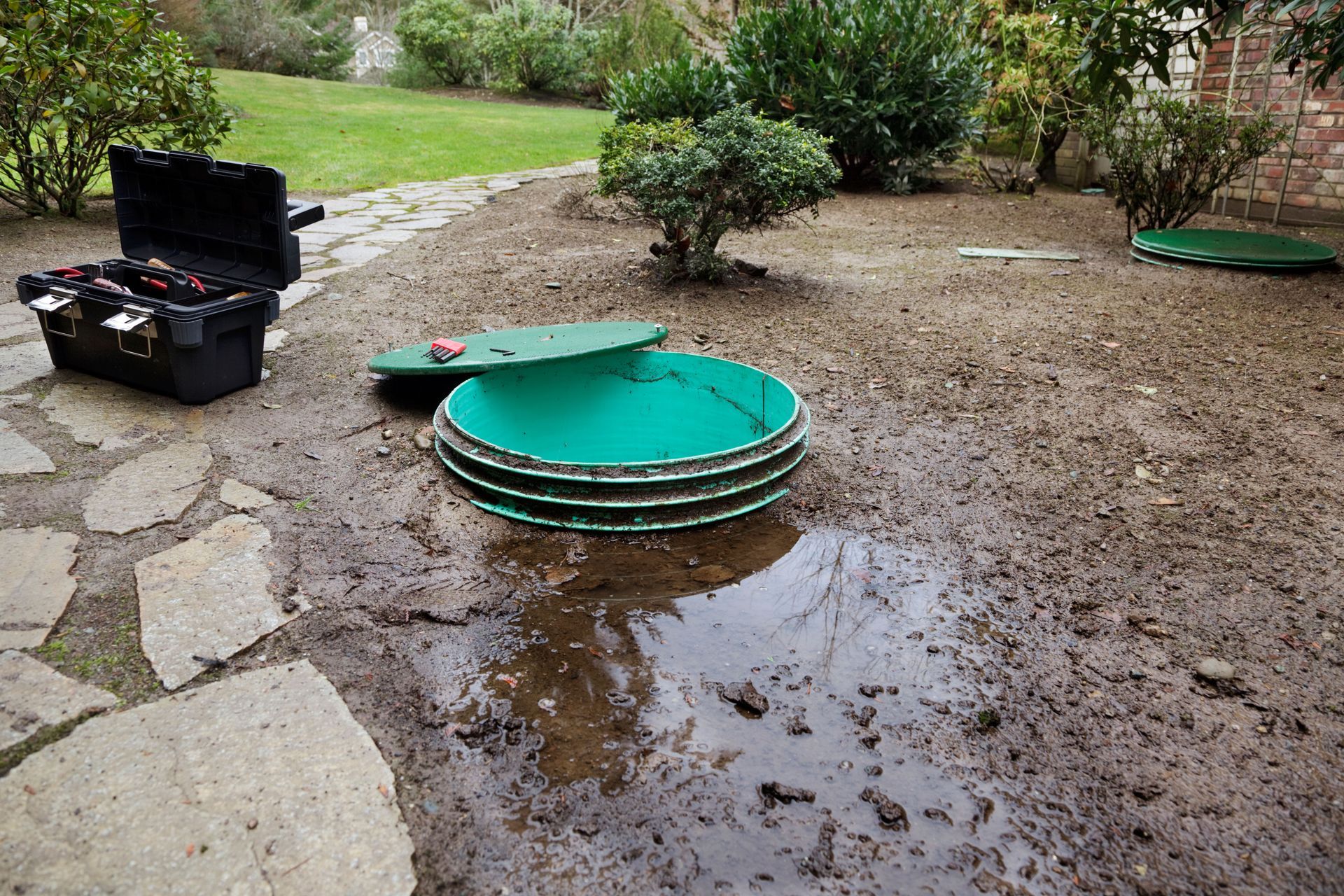
A properly maintained septic system can last for decades, but a neglected system is prone to expensive and disruptive problems. When solids and sludge accumulate in the tank without regular septic cleaning, they can overflow into the drain field, causing clogs and leaks that require major repairs. These repairs often cost thousands of dollars and may involve excavation of your yard, replacement of pipes, or installation of a new drain field. By performing routine inspections and timely septic cleaning, homeowners can prevent small issues from escalating into major financial burdens.
Another hidden cost of neglecting your septic system is property damage. When backups occur, untreated wastewater can seep into basements or crawl spaces, damaging flooring, walls, and belongings. Mold growth may also develop, creating health hazards that are both dangerous and expensive to remediate. A proactive approach that includes routine cleaning reduces the risk of these costly situations and ensures that your home remains safe and livable.
Regular maintenance also provides peace of mind for homeowners. Knowing that your septic system is operating efficiently allows you to avoid the stress and inconvenience of sudden failures. Scheduling cleanings and inspections on a predictable timeline ensures that you can plan around the process without disruption to daily life. In essence, consistent care is an investment that pays off through both financial savings and emotional well-being.
Finally, routine maintenance can extend the overall lifespan of your septic system. Most tanks are designed to last 20 to 30 years, but a lack of cleaning and monitoring can dramatically shorten that lifespan. By keeping sludge levels under control and inspecting components regularly, you can avoid premature failure and make the most of the system you already have.
Protecting Your Home and Health
A failing septic system is not just an inconvenience—it poses serious health risks. Untreated wastewater contains harmful bacteria, viruses, and parasites that can contaminate water sources and soil. When a septic system is improperly maintained, these pathogens may enter your home or local environment, creating potential exposure for your family and neighbors. Regular cleaning ensures that solids are removed before they can cause backups or leaks, reducing the risk of illness and environmental contamination.
In addition to preventing the spread of disease, regular maintenance safeguards water quality. Septic tanks are designed to filter wastewater and treat effluent before it enters the drain field. When the system is overloaded or clogged due to neglect, untreated wastewater can seep into groundwater, lakes, and streams. This not only threatens the health of the local ecosystem but may also violate environmental regulations, potentially resulting in fines or other penalties. Septic cleaning plays a vital role in keeping both your home and community safe.
Homeowners often overlook the odor issues caused by failing septic systems. A tank that is not cleaned regularly can emit foul smells that permeate the house and yard, creating an unpleasant living environment. Addressing these issues through timely cleanings eliminates odors before they become overwhelming, improving comfort and quality of life.
Finally, maintaining your septic system supports responsible water usage. Properly functioning tanks prevent overflows and backups that could otherwise lead to excessive water waste or require emergency water management. By committing to regular inspections and cleanings, you help ensure that your household operates efficiently and sustainably.
Understanding the Capacity of Your System
Knowing how much your septic system can handle is critical for proper maintenance. According to This Old House, septic tanks can hold more than 1,000 gallons of waste. This capacity is sufficient for most households, but it can quickly become inadequate if the system is not regularly cleaned or if usage habits exceed design limits. Understanding your system’s size and capacity helps homeowners schedule septic cleaning at appropriate intervals to prevent overloading and maintain efficiency.
Overestimating your tank’s capacity can lead to serious consequences. When a tank becomes full, solids may be forced into the drain field, causing clogs and backups. Regular inspections allow you to monitor sludge levels and ensure that cleaning is performed before problems arise. In addition, understanding your system’s limitations encourages responsible water usage, such as avoiding excessive laundry loads or the disposal of non-biodegradable materials.
Maintenance also includes evaluating the condition of the components within your system. Pipes, filters, and pumps can wear down over time, affecting performance and capacity. Scheduling cleanings often includes inspecting these components, ensuring that minor issues are corrected before they result in system failure.
Lastly, being aware of your system’s capacity aids in long-term planning. If your household grows or usage patterns change, understanding the tank’s limits can inform decisions about upgrades, expansions, or modifications. This foresight prevents emergencies and ensures that your system continues to function effectively for years to come.
Enhancing Efficiency and Longevity
A well-maintained septic system operates more efficiently, requiring less energy and reducing strain on components. Over time, accumulated solids can slow down the separation process in the tank, making the system work harder to treat wastewater. Regular cleaning removes these solids, restoring proper function and reducing the risk of premature wear on pumps and other equipment.
Efficient systems are also more environmentally friendly. When wastewater is treated effectively, harmful substances are filtered out before entering the soil. This reduces the impact on local ecosystems and supports sustainable living practices. By keeping your system in top condition through septic cleaning and inspections, you contribute to a cleaner, healthier environment.
Longevity is another benefit of consistent maintenance. Tanks, pipes, and drain fields can last for decades if properly cared for. Neglecting cleaning schedules accelerates corrosion, sediment buildup, and mechanical wear, shortening the overall lifespan of your system. A proactive approach ensures that you get the maximum return on your initial investment.
Finally, efficiency improvements can lead to cost savings beyond just avoiding major repairs. A system that runs smoothly requires fewer emergency interventions, less water usage, and lower energy consumption for pumps and related equipment. Investing in regular cleaning is an investment in operational efficiency, environmental stewardship, and financial prudence.
Achieving Peace of Mind Through Preventive Care
One of the most significant advantages of regular septic maintenance is peace of mind. Homeowners can rest assured knowing that their system is functioning properly and that they are taking steps to prevent emergencies. This proactive approach reduces anxiety and allows families to focus on daily life without worrying about sudden failures or unpleasant surprises.
Preventive care also ensures compliance with local regulations. Many municipalities require that septic systems meet certain standards for operation and maintenance. Keeping up with routine cleaning and inspections helps homeowners avoid fines and legal complications, providing an additional layer of protection.
Additionally, consistent maintenance simplifies homeownership during transitions such as selling or buying a property. A well-documented history of cleanings and inspections demonstrates responsible ownership, increasing buyer confidence, and potentially enhancing property value.
Finally, preventive care fosters a long-term relationship with service providers. Regularly scheduled cleaning allows professionals to monitor your system over time, offering guidance and recommendations tailored to your household’s needs. This relationship not only ensures ongoing system health but also provides access to expert advice whenever questions or concerns arise.
The peace of mind that comes from knowing your septic system is operating properly cannot be overstated. By treating septic cleaning as a routine priority rather than an optional task, you ensure that your system remains a reliable, safe, and efficient part of your household for years to come. Keep your septic system running smoothly with A Plus Services—schedule your next septic cleaning with us to prevent costly repairs and protect your home.